newest article
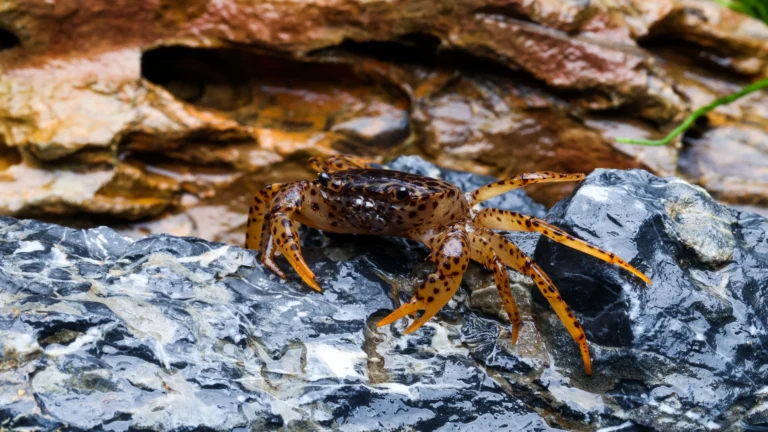
Pet Crab Food: What To Feed Your Aquarium Crab
What You Need to Know Aquarium crabs require a balanced diet combining 40-45% protein, calcium-rich supplements, and plant matter to support shell health and prevent molting complications. Calcium deficiency directly causes shell softening, failed molts, and increased mortality rates during development phases when crabs depend on proper nutrition. Feed portions matching the crab's body size…
/ November 14, 2026
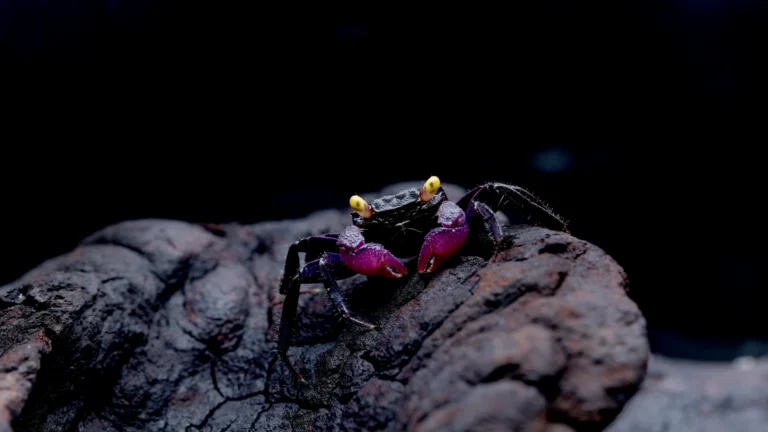
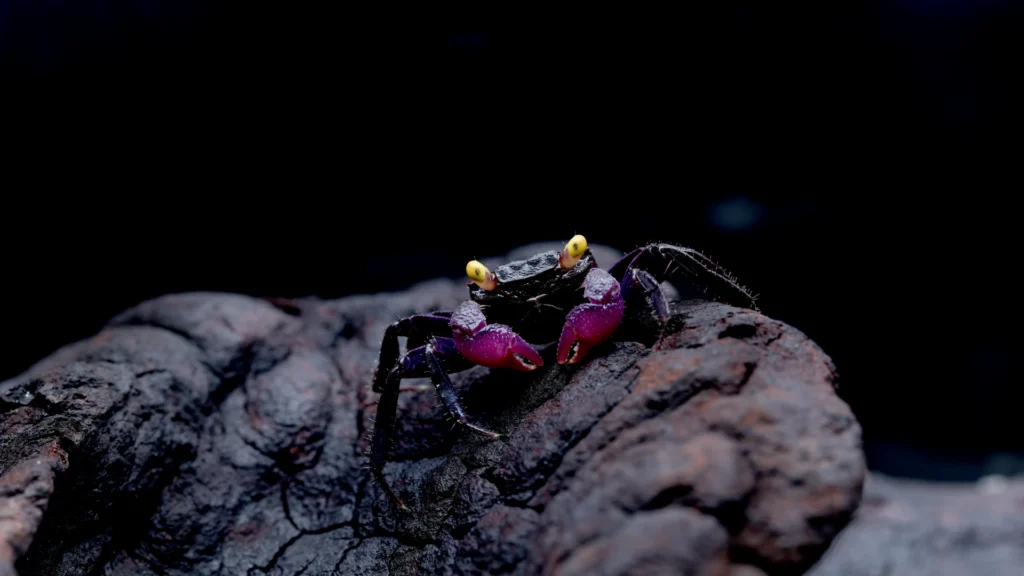
Pet Crab: Best Species, Care & Where To Buy
What You Need to Know Pet crabs require species-specific water parameters ranging from fully aquatic setups to semi-terrestrial environments, with freshwater varieties like red claw crabs thriving at pH 6.5-7.5 and temperatures between 24-28°C. Molting stress during exoskeleton shedding represents the primary mortality cause in captive crabs, requiring calcium-rich diets and stable environmental conditions to…
/ November 13, 2026
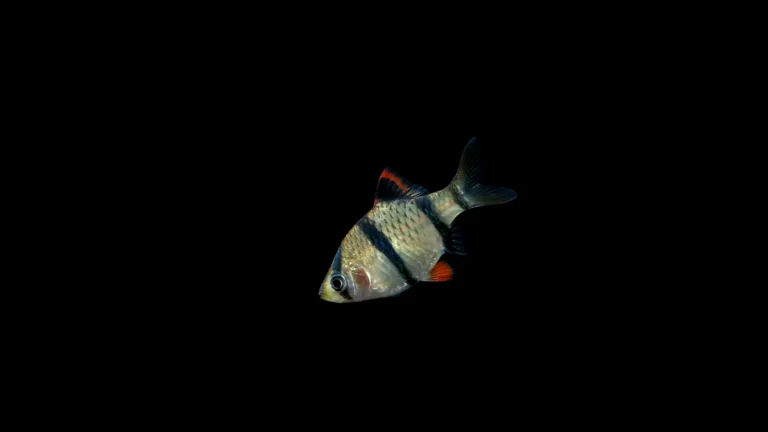
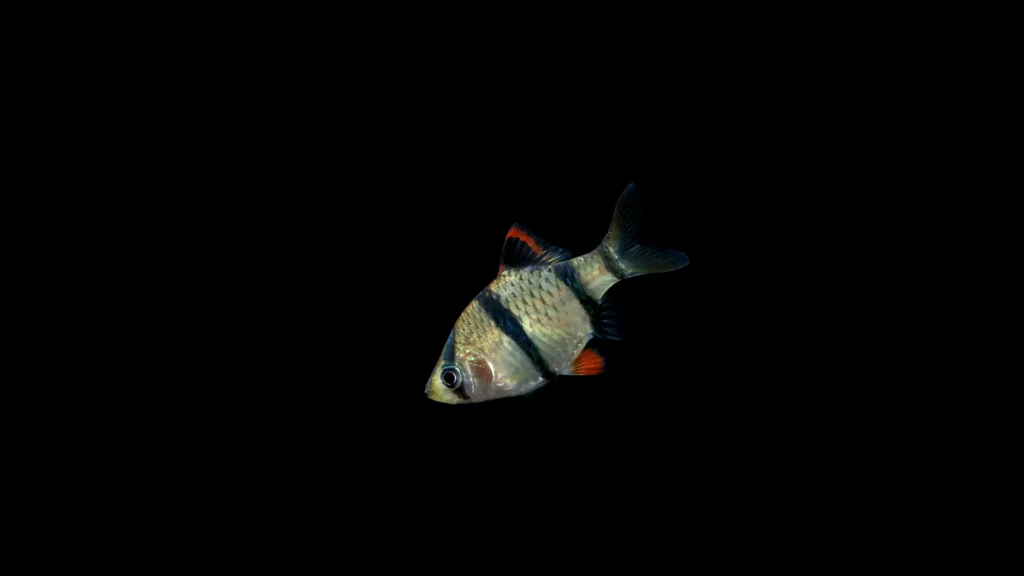
Tiger Barb: Traits, Behavior & Care
What You Need to Know Tiger barbs are active schooling fish native to Southeast Asian streams, displaying distinctive amber bodies with four vertical black stripes and requiring minimum 20-gallon tanks. Poor water parameter stability, inadequate schooling conditions, and transport stress represent the primary causes of mortality in captive populations. Compatible tank mates must be fast-moving…
/ November 12, 2026
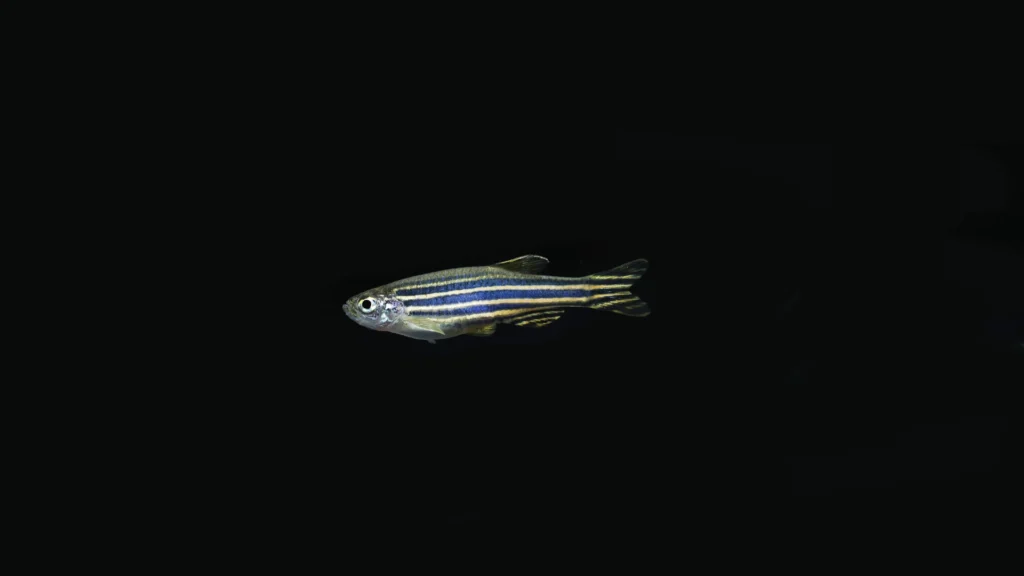
Zebra Danio: Traits, Habitat & Care
What You Need to Know Zebra danios are torpedo-shaped schooling fish native to slow-flowing streams and rice paddies across South Asia, displaying distinctive horizontal blue stripes along their silver bodies. Temperature stability between 18.0 and 24.0 degrees Celsius is critical for health, and international transport requires oxygen-injected packaging and ammonia-binding compounds to prevent mortality rates…
/ October 20, 2026
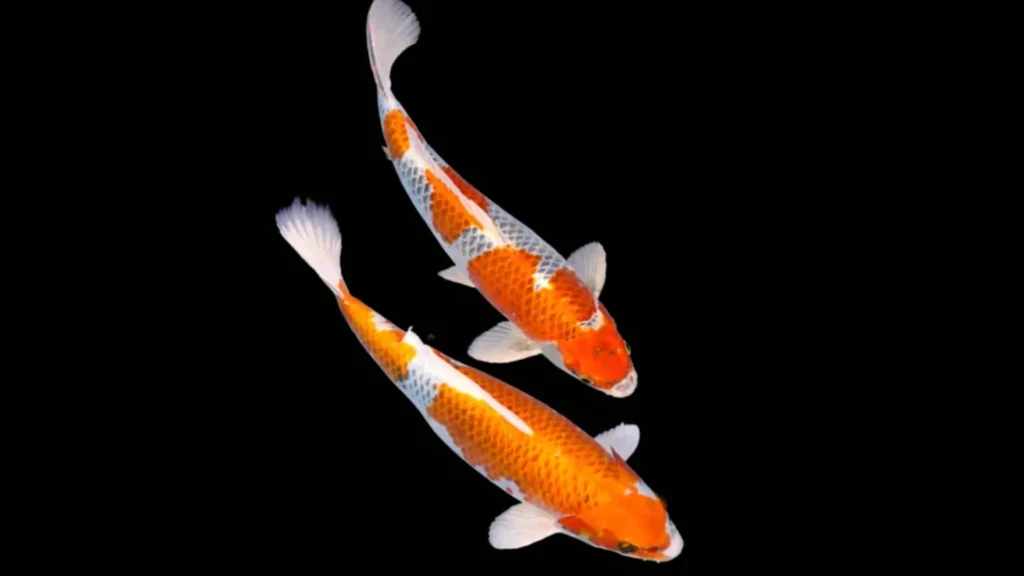
Koi Slayer: Types, Traits & Price Guide
What You Need to Know Koi slayer variants are available in sizes ranging from 7-8 cm juvenile specimens to fully mature 30 cm adults, with color intensity and fin development determining market value. Water parameters directly influence pigmentation consistency, requiring pH stability between 6.5-7.5 and temperatures of 26-28°C to maintain the vibrant patterns buyers expect.…
/ October 19, 2026
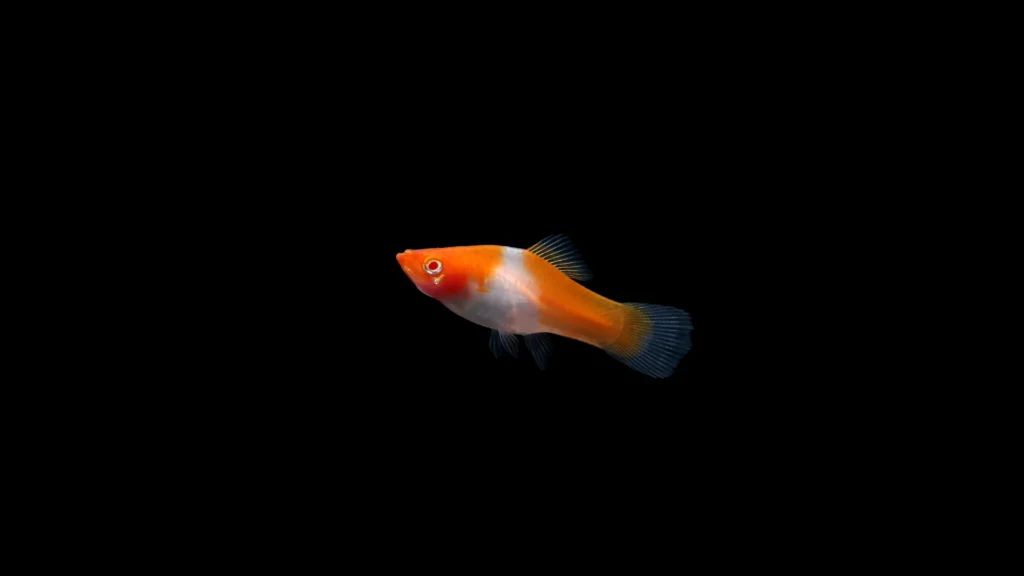
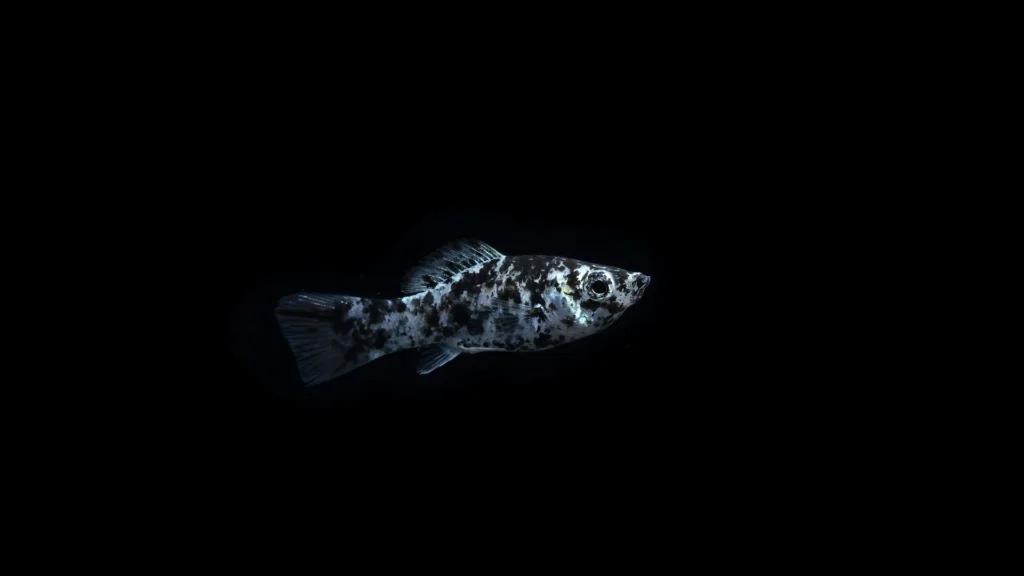
Platy Fish: Types, Colors & Care Guide
What You Need to Know Platy fish (Xiphophorus maculatus and Xiphophorus variatus) are livebearer species that produce live fry rather than eggs, requiring stable water temperatures between 72–78°F and pH 6.5–7.5 for optimal health. Popular varieties include Red Wagtail, Koi, and Coral Platy, each displaying distinct color patterns that require proper nutrition and water quality…
/ October 17, 2026
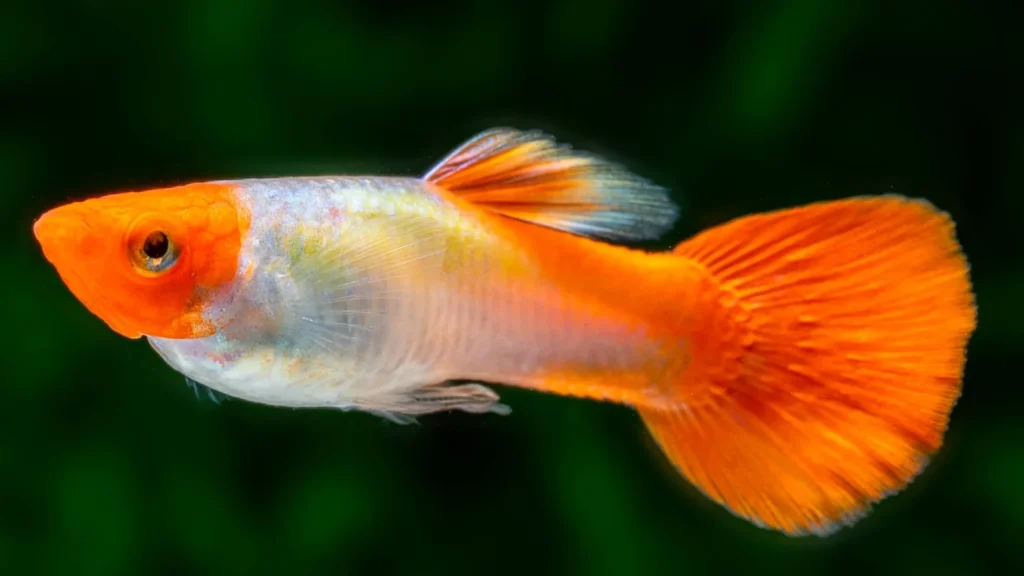
Molly Fish: Types, Colors & Care Guide
What You Need to Know Molly fish comprise over 10 established varieties, with black molly, balloon molly, and sailfin molly representing the most commercially traded types across global wholesale networks. Professional exporters maintain water temperature between 26-28°C and pH 7.0-7.5 during international transport, reducing stress-related mortality to 5-10% compared to 25-35% when using basic regional…
/ October 16, 2026
Guppy Koi: Types, Traits & Care Guide
What You Need to Know Guppy koi display distinctive red and white coloration patterns resembling Japanese koi carp, making them highly sought after in international wholesale markets. Professional breeding facilities maintain water temperatures between 24-27°C and pH levels of 6.5-7.5 to ensure stable coloration and genetic stability across generations. Premium-grade guppy koi specimens command wholesale…
/ September 18, 2026
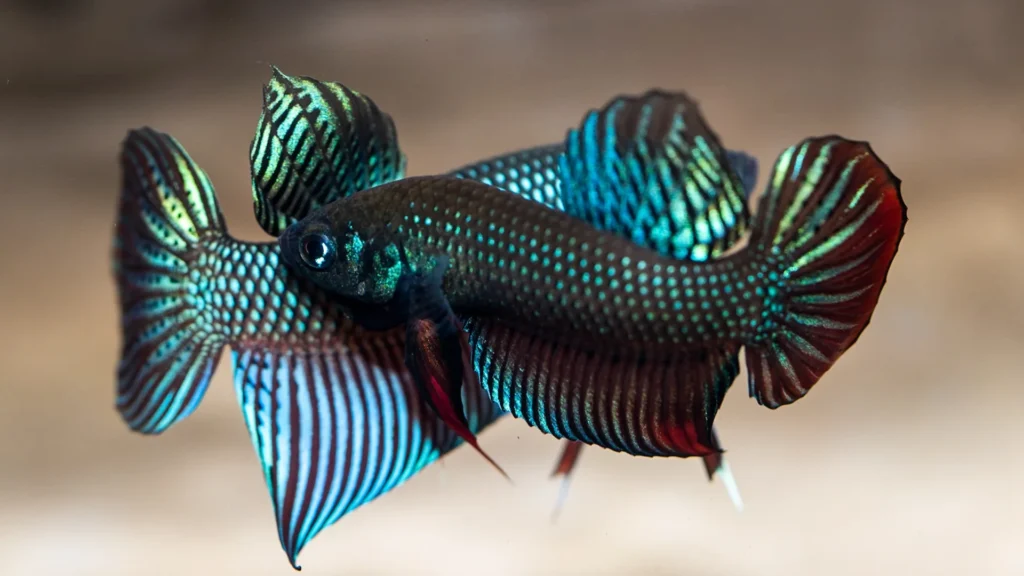
Guppy Fish: Types, Colors & Price Guide
What You Need to Know Guppy fish (Poecilia reticulata) comprise over 50 documented varieties, with coloration and tail shape serving as primary classification standards for wholesale grading. Professional exporters maintain water temperature between 24-27°C and pH 6.5-7.5 during transport and holding, directly reducing mortality rates in international shipments. Certified exporters with established biosecurity protocols deliver…
/ September 17, 2026
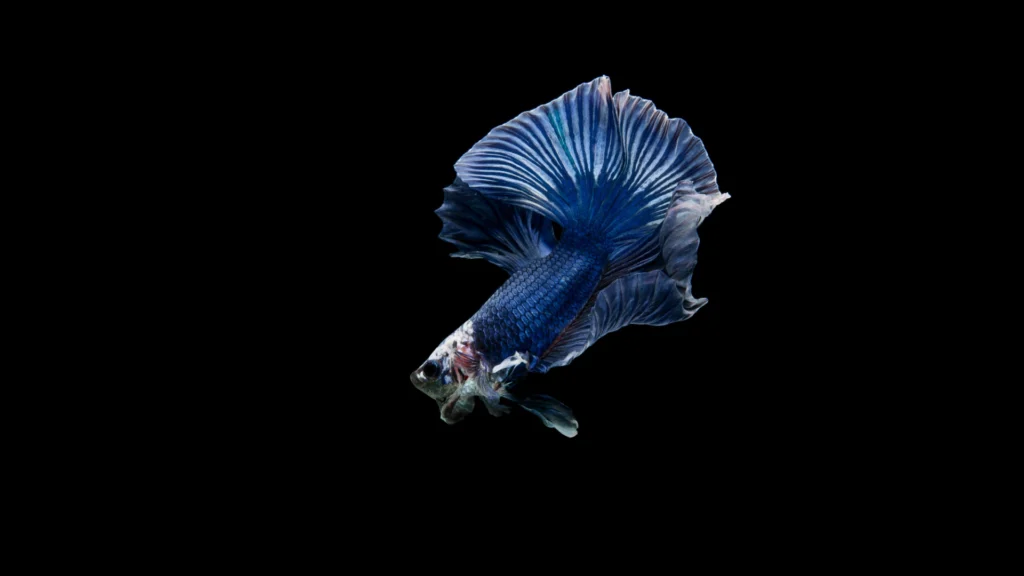
Wild Betta Fish: Species & Natural Habitat
What You Need to Know Over 15 species of wild betta fish are documented across Southeast Asian peat swamps and river systems. Wild bettas inhabit acidic, tannin-stained waters with pH levels between 4.0 and 6.5, vastly different from standard aquarium conditions. Habitat loss from deforestation and agricultural conversion threatens multiple wild species, making understanding their…
/ September 16, 2026
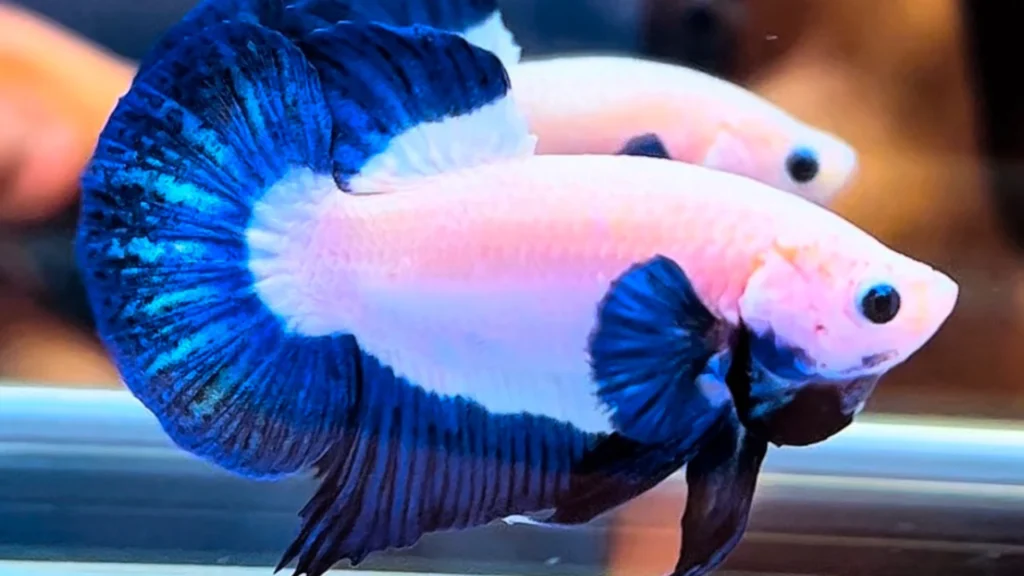
Betta Flaring: Benefits, Risks & Guide
What You Need to Know Betta flaring is a natural territorial display where males spread their gill covers and fins, triggered by visual threats like mirrors or rival fish. Moderate, controlled flaring strengthens muscle tone and maintains fish vitality, but excessive flaring depletes energy reserves and weakens immunity. Proper tank setup, removing reflections, adjusting lighting,…
/ September 15, 2026
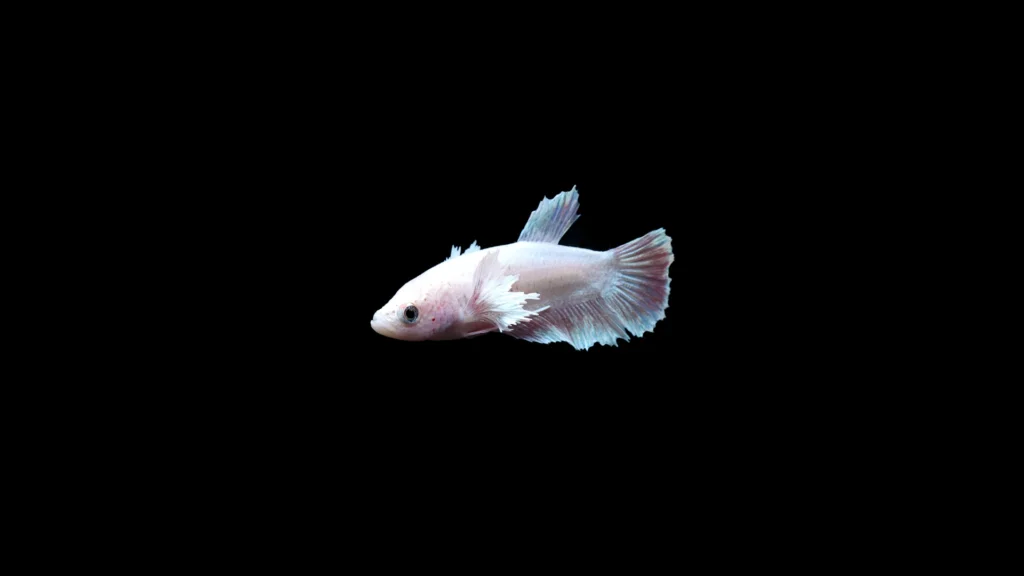
Blue Rim Betta: Traits, Price & Care
What You Need to Know Blue rim bettas display crisp dark-blue fin margins against stark white or pale bodies, making them visually distinctive among ornamental varieties. These fish require stable water temperatures between 76–82°F, gentle filtration under 1–2 gallons per hour, and high-protein diets to maintain coloration and fin integrity. Wholesale pricing ranges from $5–15…
/ August 26, 2026
Dumbo Ear Betta: Traits, Price & Care
Dumbo ear betta fish stand out among ornamental fish varieties because of their distinctive oversized pectoral fins that resemble elephant ears. These enlarged fins are the result of a genetic mutation that has made them highly sought after by aquarium enthusiasts and professional importers worldwide. Understanding their unique traits, market value, and care requirements is…